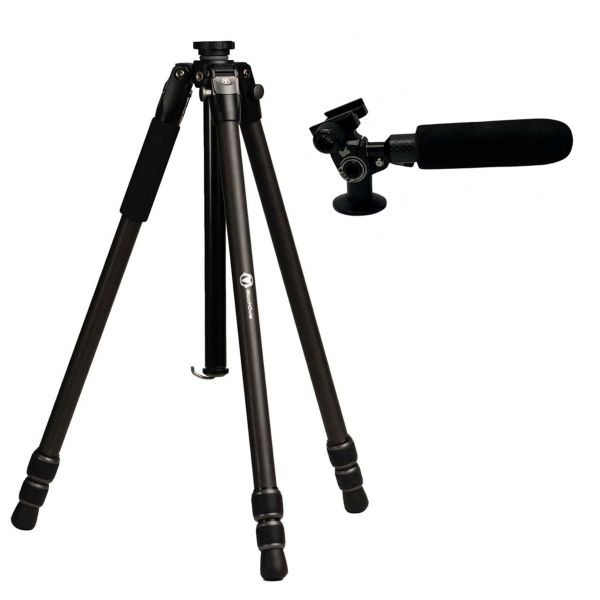
The Importance of Stability: How Tripods Can Transform Your Photography
In photography, achieving stability is crucial for capturing high-quality images. One of the best tools to ensure this stability is a tripod. A tripod provides a solid base for your camera, allowing you to shoot with slower shutter speeds without the risk of camera shake. This is especially important in low-light conditions, where you might want to use longer exposure times to capture more light and detail. Whether you're shooting landscapes, portraits, or macro photography, having a tripod can make a significant difference in the clarity and sharpness of your images.
Beyond just support, a tripod opens up new creative possibilities in your photography. By using a tripod, you gain the ability to experiment with long exposures, allowing you to create stunning effects such as silky waterfalls or light trails from passing cars. Additionally, tripods facilitate precision when composing shots, ensuring your framing is exactly how you envision it. For photographers looking to elevate their craft and explore new techniques, investing in a quality tripod is an essential step that can truly transform your photography.
Counter-Strike is a highly popular first-person shooter game that has been a staple in the gaming community since its inception. It focuses on team-based gameplay, where players can take on roles as terrorists or counter-terrorists. With its competitive nature, many players seek out the Top 10 Travel Gear for Creators to enhance their gaming experience when traveling to events or tournaments.
Top 5 Factors to Consider When Choosing a Tripod
When it comes to photography, having the right equipment is essential, and choosing the right tripod is no exception. Here are the top 5 factors you should consider when selecting a tripod:
- Stability: A stable tripod is crucial for capturing sharp images, especially in low light conditions or when using long exposure times. Look for tripods made from sturdy materials like aluminum or carbon fiber for maximum stability.
- Weight Capacity: Ensure the tripod can support the weight of your camera and any additional accessories. This will prevent tipping and help maintain your gear's integrity.
- Height and Portability: Depending on your photography style, you may want a tripod that extends to different heights. Also, consider its weight and portability, especially if you plan to hike or travel frequently.
- Head Type: Consider what type of tripod head is best suited for your needs. Ball heads offer quick adjustments, while pan-and-tilt heads provide precise control.
- Price and Durability: Finally, weigh your options in terms of price and how durable the tripod is for regular use. Investing in a high-quality tripod can save you money in the long run.
By taking these factors into account, you can ensure that you choose a tripod that meets your photography needs while enhancing your creative process. Remember, a good tripod is an investment that will help you achieve stability and quality in your shots, making it a key component of your photographic toolkit.
How to Stabilize Your Shots in a Shaky World: Tips and Tricks
In today's fast-paced world, capturing the perfect shot can often feel like an uphill battle, especially when faced with shaking hands, unstable ground, or sudden movements. To stabilize your shots, consider utilizing a few essential techniques that can elevate your photography game. First, always use a sturdy tripod. This piece of equipment can provide a robust foundation for your camera, helping eliminate shake. If you don't have a tripod on hand, leaning against a wall or resting your camera on a stable surface can work wonders. Additionally, practice proper holding techniques by gripping your camera firmly with both hands and keeping your elbows close to your body.
Another effective method to stabilize your shots is by utilizing the camera's built-in features. Most modern cameras come equipped with image stabilization (IS), which can significantly reduce blurriness caused by movement. Experimenting with shutter speed is equally important; a faster shutter speed can freeze motion and help you achieve a clearer image when shooting in dynamic environments. Lastly, consider using post-processing software to further enhance the stability of your shots. Techniques like cropping and digital stabilization can rectify minor shakes, ensuring your final product remains sharp and visually appealing.