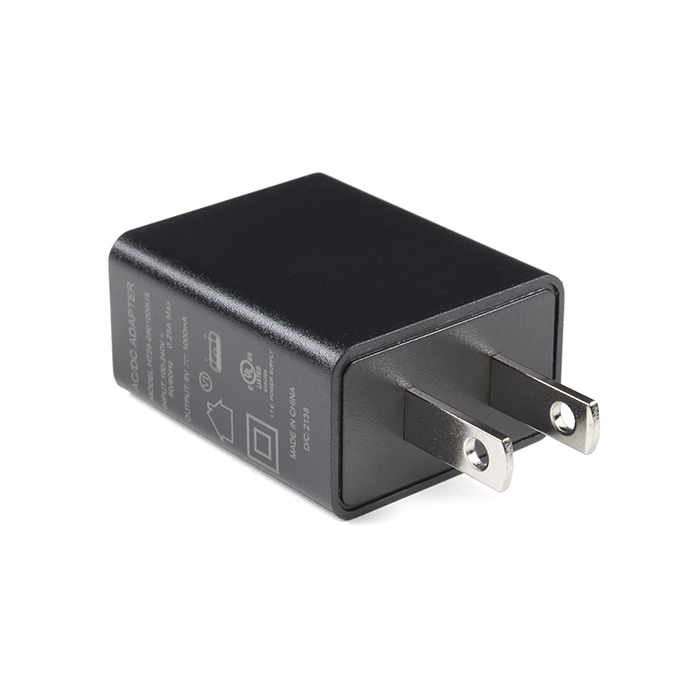
The Evolution of USB Chargers: From Basic Power Sources to Smart Technology
The evolution of USB chargers has significantly transformed the way we power our devices, marking a journey from simple, basic power sources to sophisticated smart technology. Initially, USB chargers were merely designed to supply power to devices like phones and cameras, offering a standardized way to connect and charge through a universal port. As technology advanced, manufacturers began to recognize the importance of speed and efficiency in charging, leading to innovations such as fast charging and USB-C connectors, which streamline the charging process while enhancing user convenience.
Today, the emergence of smart technology has further revolutionized USB chargers. Modern chargers are equipped with features such as smart voltage detection and adaptive charging capabilities, which allow them to communicate with devices to deliver the optimal power output. This intelligent interaction not only helps in reducing charging time but also minimizes the risk of overheating or overcharging, thereby preserving battery life. As we look to the future, one can only imagine how USB charging technology will continue to evolve, potentially integrating with renewable energy sources and IoT devices to create a more connected and efficient ecosystem.
Counter Strike, a popular tactical first-person shooter, pits teams of terrorists against counter-terrorists in various game modes. The game has evolved over the years, maintaining a dedicated player base and competitive scene. It's essential for gamers to stay powered up while on the go, and for those looking for convenience, check out the Top 10 Compact Travel Chargers to ensure their devices are always charged and ready for action.
Unraveling the Mysteries: How USB Chargers Impact Your Device’s Performance
When it comes to the performance of your devices, the choice of USB charger can significantly impact their efficiency and longevity. Different chargers deliver varying levels of power output, typically measured in watts. Using a charger that is not optimized for your specific device can lead to inefficient charging and may even affect the battery life in the long run. For instance, using a higher wattage charger on a device that doesn't require it can generate excess heat, potentially damaging the internal components. Conversely, a charger that provides insufficient power can result in slow charging and a frustrating user experience.
Understanding the specifications of your USB charger is crucial for maintaining optimal device performance. For example, charger power ratings and the types of USB ports employed can play a vital role in the charging process. Many modern devices utilize USB-C, which supports faster charging and data transfer rates. Therefore, it is important to invest in a quality charger that meets the specifications of your devices. According to recent studies, using the right charger can improve overall functionality, ensuring that your device performs efficiently and is always ready for use.
Are All USB Chargers Created Equal? Understanding Quality and Compatibility
When it comes to charging devices, many consumers may assume that all USB chargers are created equal. However, this is far from the truth. Different chargers come with varying voltage outputs, amperage ratings, and even build quality, which can significantly affect charging speed and safety. For instance, a charger designed for an older device may not provide enough power for newer smartphones, resulting in prolonged charging times or inadequate performance. Additionally, counterfeit or low-quality chargers can pose safety hazards, leading to overheating or even damage to your devices.
In assessing quality and compatibility, it's crucial to consider not just the charger but also the cables used and the devices being charged. Always opt for chargers from reputable brands that adhere to safety standards. It's also wise to check the compatibility of the charger with your specific device, as some smartphones and tablets support rapid charging technologies that require specialized chargers. By taking these factors into account, users can ensure they're providing the best care for their devices while optimizing charging efficiency.