## From Smart Contracts to Secure Stakes: How Decentralized Betting Works (and Why It's Different)
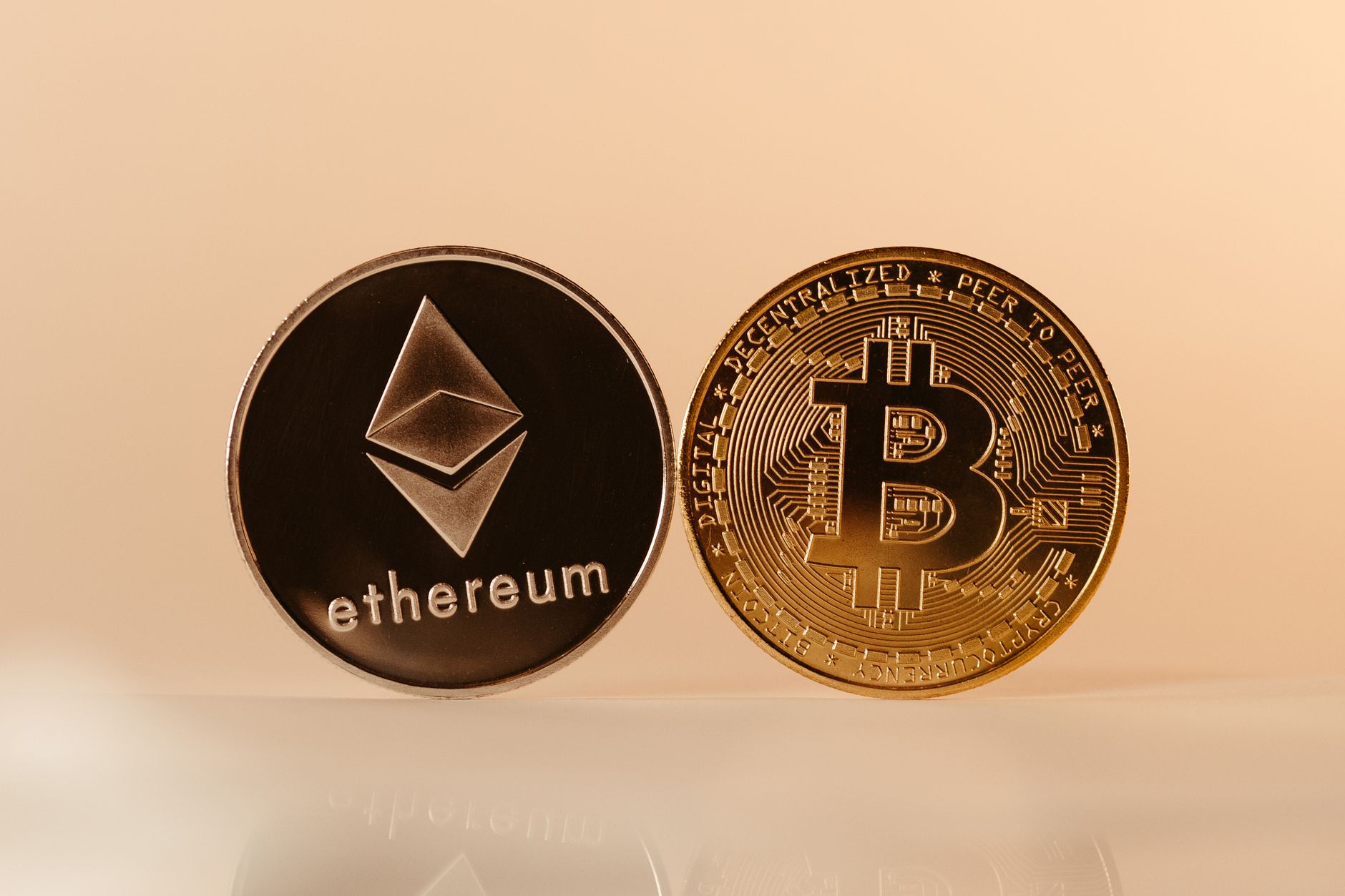
Decentralized betting platforms leverage the power of smart contracts to fundamentally reshape the gambling landscape. Unlike traditional bookmakers who operate as centralized intermediaries, smart contracts on blockchains like Ethereum act as self-executing agreements. These contracts automatically hold and distribute funds based on predefined conditions, eliminating the need for trust in a third party. This means that once a bet is placed and the outcome determined, the payout is processed automatically and transparently, without human intervention or the risk of manipulation. Furthermore, the use of blockchain technology ensures that all transactions are immutable and publicly verifiable, fostering an unprecedented level of fairness and accountability in the betting ecosystem. This core architectural difference is what truly sets decentralized betting apart.
The innovative structure of decentralized betting brings several distinct advantages over its traditional counterparts. Firstly, it offers enhanced security and transparency, as every transaction and outcome is recorded on a public ledger, making it impossible to tamper with results or withhold winnings. Secondly, these platforms often feature reduced fees, as the absence of intermediaries means fewer overheads passed on to the user. Thirdly, they promote global accessibility, allowing anyone with an internet connection and cryptocurrency to participate, regardless of geographical restrictions or banking limitations. Finally, many decentralized betting systems incorporate tokenomics, where users can stake their own tokens to contribute to the platform's security and earn rewards, creating a more engaged and empowered community. This blend of technological innovation and user-centric design truly differentiates decentralized betting.
Decentralized betting platforms leverage blockchain technology to offer a transparent and secure alternative to traditional bookmakers. These platforms remove the need for intermediaries, allowing users to place bets directly with each other, and you can learn more about decentralized betting here. This innovative approach ensures fairness, reduces fees, and gives users greater control over their funds.
## Navigating the Decentralized Betting Landscape: Common Questions, Practical Tips, and What to Watch Out For
The burgeoning world of decentralized betting, powered by blockchain technology, presents a compelling alternative to traditional bookmakers. However, for newcomers and even seasoned bettors, navigating this innovative landscape can raise numerous questions. From understanding the nuances of cryptocurrency transactions and wallet security to deciphering smart contract functionalities and the concept of true peer-to-peer wagering, a clear roadmap is essential. We'll delve into the most common inquiries, such as 'How do I fund my decentralized betting account?' or 'What are the security implications of using a decentralized platform?' Our aim is to demystify these complexities, providing practical, actionable advice that empowers you to engage with confidence.
Beyond the initial learning curve, success in decentralized betting hinges on a keen awareness of both its advantages and potential pitfalls. While the promise of transparency, lower fees, and censorship resistance is appealing, it's crucial to exercise due diligence. This includes:
- Verifying platform legitimacy: Not all decentralized platforms are created equal; research their smart contract audits and community reputation.
- Understanding risk management: Volatility in cryptocurrency markets can impact your capital.
- Staying informed about regulatory changes: The legal landscape for decentralized finance is constantly evolving.