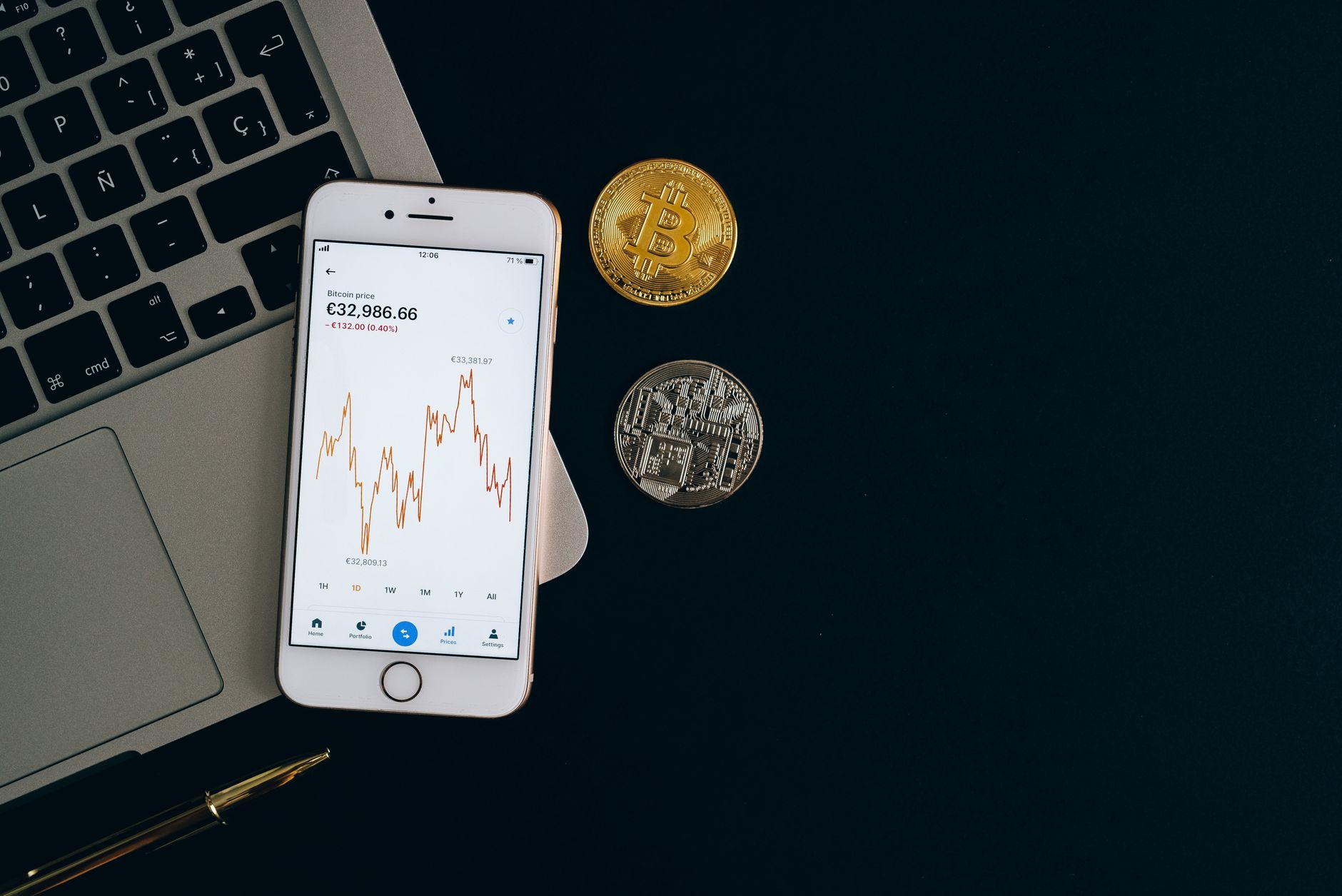
Understanding Crypto Payouts: From Wallets to Withdrawals (And Why It Matters for Your World Cup Bets)
Navigating the world of crypto payouts for your World Cup bets begins with a fundamental understanding of digital wallets. These aren't physical objects but secure software programs or hardware devices designed to store your cryptocurrency. Think of them as your personal digital bank vault. When you win a bet placed with crypto, the payout won't magically appear in your traditional bank account; instead, it will be sent to the specific crypto wallet address you provided. There are various types of wallets, including hot wallets (online, convenient, but less secure) and cold wallets (offline, highly secure, ideal for larger sums). Choosing the right wallet is crucial for both the security of your funds and the ease with which you can access them, directly impacting your overall betting experience.
Once your crypto winnings are safely in your digital wallet, the next step involves understanding the process of withdrawal and conversion. While some platforms might allow direct fiat (traditional currency) withdrawals, often you'll need to move your crypto from your betting site wallet to a personal wallet, and then from your personal wallet to a cryptocurrency exchange. Exchanges are platforms where you can trade cryptocurrencies for other cryptos or for fiat currency. The exact steps and associated fees will vary depending on the exchange you use and the specific cryptocurrency involved. It's vital to research exchange rates, transaction fees, and withdrawal limits beforehand to ensure you get the most out of your winnings. Furthermore, be mindful of any local regulations regarding crypto taxation, as these can significantly impact your net payout.
As the FIFA World Cup approaches, the world of cryptocurrency gears up for an exciting new frontier: crypto World Cup betting. This innovative approach allows fans to place wagers on their favorite teams using various digital currencies, offering a decentralized and often more private alternative to traditional betting methods. The integration of blockchain technology brings enhanced security and transparency, making it an increasingly popular choice for tech-savvy football enthusiasts looking to add an extra layer of excitement to the tournament.
Navigating Future Betting: Strategies, Staking, and Spotting the Next Big Opportunity (Plus, Your Top Questions Answered)
The landscape of future betting is a dynamic and often lucrative one, demanding a blend of meticulous research, strategic thinking, and a keen eye for emerging trends. It's not simply about picking a winner; it's about understanding the underlying factors that will shape an outcome over extended periods. This involves delving into extensive data analysis, evaluating market sentiment, and recognizing the potential impact of unforeseen events.
Key strategies include:
- Value Identification: Spotting odds that genuinely misrepresent the true probability of an event.
- Risk Management: Diversifying your portfolio and understanding the inherent volatility of long-term wagers.
- Information Edge: Consistently seeking out and interpreting news and data before it's fully priced into the market.
Staking in future markets requires a thoughtful approach that balances potential reward with acceptable risk. Unlike short-term bets, future wagers tie up capital for longer periods, necessitating a robust staking plan that accounts for this illiquidity. We'll explore various staking methodologies, from proportional betting to fixed-unit strategies, discussing their pros and cons in the context of long-term investments. Furthermore, we'll delve into the art of 'spotting the next big opportunity' – a skill that distinguishes successful future bettors. This involves more than just intuition; it's about meticulously tracking developments in various sectors, identifying undervalued assets or outcomes, and having the conviction to act decisively. Expect insights into how to build a watch list of potential future bets, analyze early market movements, and interpret 'smart money' indicators to give yourself an edge.