Exploring the Pros and Cons of Stitching Techniques
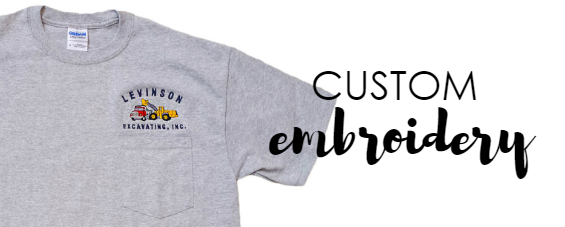
When it comes to sewing, stitching techniques play a crucial role in determining the quality and durability of the finished product. One of the primary advantages of various stitching techniques is their versatility. For instance, techniques like the Straight Stitch are ideal for basic seams, while the Zigzag Stitch offers flexibility for stretch fabrics. Furthermore, decorative techniques, such as Embroidery, not only enhance the aesthetic appeal but can also reinforce the material. However, it's essential to consider that each method may require specific tools and skill levels, which can be a disadvantage for beginners.
On the other hand, while exploring different stitching techniques, one must also contend with their potential drawbacks. Some intricate techniques, like French Seams, can be time-consuming and require a significant learning curve. Additionally, the wrong choice of technique for a particular fabric can lead to unwanted outcomes, such as puckering or insufficient seam strength. To help navigate these considerations, here are some crucial points to keep in mind:
- Assess the fabric type before choosing a technique.
- Consider the intended use of the finished item.
- Be prepared to invest time in mastering more complex methods.
If you're a fan of anime, particularly the thrilling world of "Bleach," you should check out our bleach shop for a wide range of merchandise and collectibles. From figures to apparel, we have something for every enthusiast!
Is Stitching Worth It? A Deep Dive into Fabric Integrity
When considering the longevity and quality of your fabric items, the question arises: Is stitching worth it? Understanding the integrity of fabric is crucial for anyone interested in sewing, crafting, or simply maintaining their garments. Stitching not only enhances the aesthetic appeal of a product but also plays a vital role in reinforcing seams and preventing fraying. In many cases, investing in high-quality stitching can significantly extend the life of your fabric, ensuring that your beloved items withstand the test of time.
Moreover, fabric integrity is not solely about durability; it also pertains to the performance of the material itself. Different types of fabrics respond uniquely to various stitching methods. For instance, natural fibers like cotton and wool often benefit from tight, durable seams, while synthetic blends may require more flexible stitching techniques to accommodate their stretch. To truly assess whether stitching is worth your while, consider these key factors:
- The type of fabric being used.
- The intended use of the fabric item.
- The potential wear and tear it may encounter.
When to Stitch: Key Considerations for Your Fabric Projects
When embarking on a new fabric project, understanding when to stitch is crucial for achieving optimal results. First and foremost, consider the type of fabric you are using. Delicate fabrics like silk or chiffon often require a different approach compared to heavy materials like denim or canvas. Generally, lighter fabrics benefit from a smaller stitch length, which can provide better control and prevent puckering. In contrast, heavier fabrics may require a longer stitch to allow for more flexibility and strength in the seams.
Another key consideration is the type of project you are working on. For items that will experience a lot of stress or movement, such as clothing or bags, utilizing a reinforcement stitch or zigzag stitch can help increase durability. Additionally, be mindful of the seam allowances and finishings you choose to use. For example, flat-felled seams are a great option for garments that require a polished finish, while raw edges may be acceptable for less formal projects. Ultimately, knowing when to stitch is about balancing aesthetics and functionality in your fabric creations.