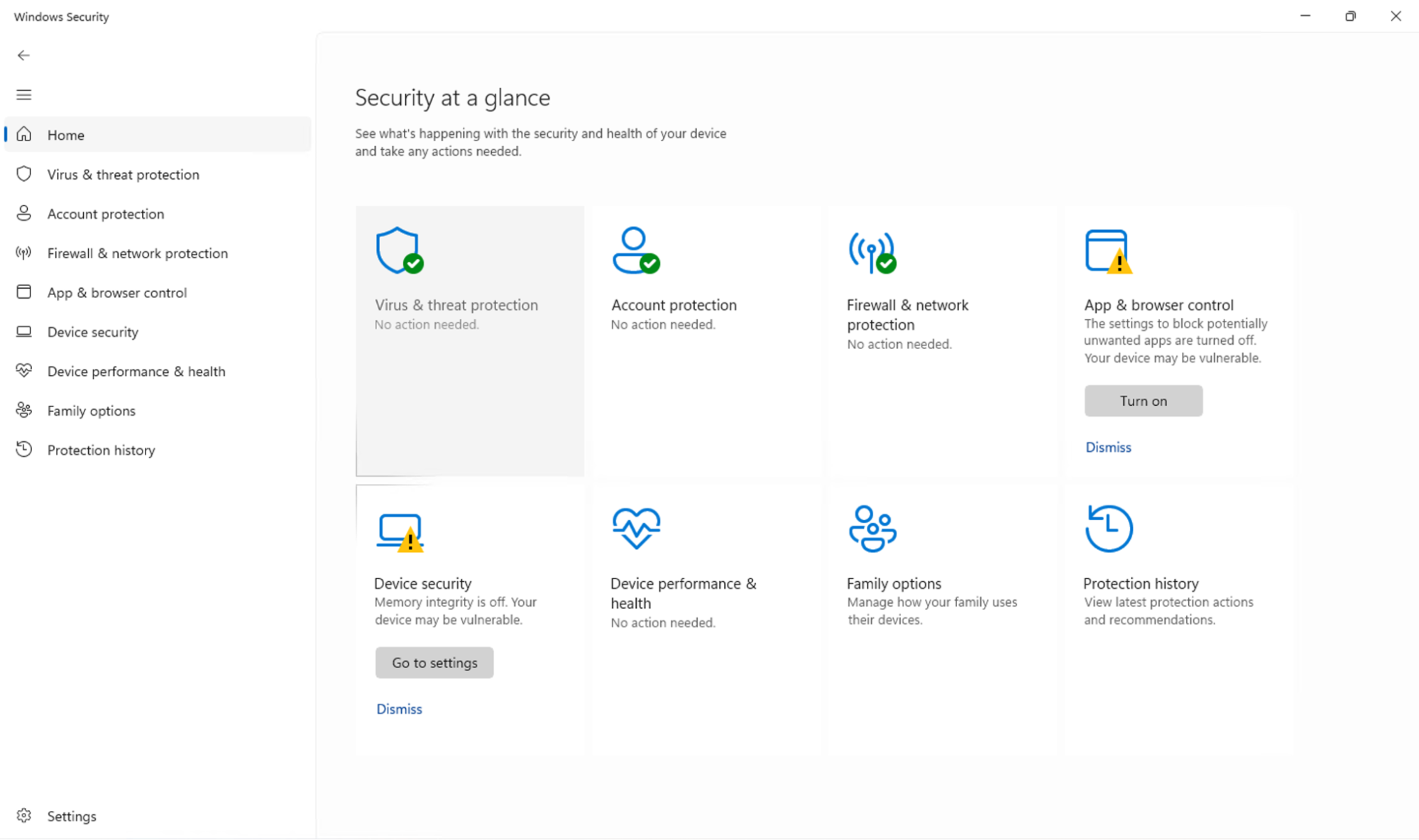
Understanding the Pillars of Cybersecurity: Essential Steps to Fortify Your Accounts
In today's digital age, cybersecurity has become a paramount concern for individuals and organizations alike. Understanding the pillars of cybersecurity is essential for fortifying your accounts and protecting sensitive information. The foundational elements include identifying risks, implementing protective measures, and responding to incidents. By recognizing the vulnerabilities you face, such as weak passwords or outdated software, you can take the necessary steps to secure your digital environments. Keep in mind that the threat landscape is always evolving, so continuous assessment of your security posture is vital.
To effectively fortify your accounts, follow these essential steps:
- Strengthen Passwords: Use complex passwords that are difficult to guess and consider using a password manager.
- Enable Two-Factor Authentication: Adding an extra layer of security helps prevent unauthorized access.
- Regularly Update Software: Keeping your operating systems and applications up to date can help shield you from vulnerabilities.
- Educate Yourself and Others: Awareness of phishing attacks and social engineering tactics can safeguard against human error.
Get the best deals when you use a shuffle promo code for your next purchase!
Top 10 Common Security Threats and How to Protect Yourself
In today's digital landscape, security threats are not only prevalent but also evolving rapidly. Understanding the common security threats can help individuals and organizations effectively mitigate risks. Here are the top 10 common security threats you should be aware of:
- Phishing Attacks
- Malware
- Ransomware
- Insider Threats
- Distributed Denial-of-Service (DDoS) Attacks
- Man-in-the-Middle Attacks
- SQL Injection
- Zero-day Exploits
- Credential Stuffing
- Weak Passwords
Now that you are familiar with these threats, protecting yourself is crucial. Here are some key measures to safeguard your digital presence:
- Use Multi-Factor Authentication (MFA) to add an extra layer of security.
- Regularly update your software to patch vulnerabilities.
- Educate yourself and your team about recognizing phishing and social engineering attacks.
- Implement strong password policies and encourage the use of a password manager.
- Backup your data regularly to prevent data loss from ransomware.
Is Your Password Strong Enough? The Ultimate Guide to Creating Unbreakable Passwords
In today's digital age, a strong password is your first line of defense against cyber threats. But is your password strong enough? To determine its strength, consider using a mix of upper and lower case letters, numbers, and special characters. A good rule of thumb is to create a password that is at least 12 characters long and avoid using easily guessable information such as birthdays or common words. In this guide, we will explore effective strategies to help you craft unbreakable passwords that significantly enhance your online security.
One effective technique is to use a passphrase, which combines several unrelated words into a single, memorable phrase. For example, instead of using "password123", you might use ""BlueElephant!Dances” in combination with numbers and symbols for added complexity. Additionally, consider using a password manager to generate and store your strong passwords, allowing you to avoid the hassle of remembering each one. Remember, the stronger your password, the harder it will be for hackers to gain access to your accounts.