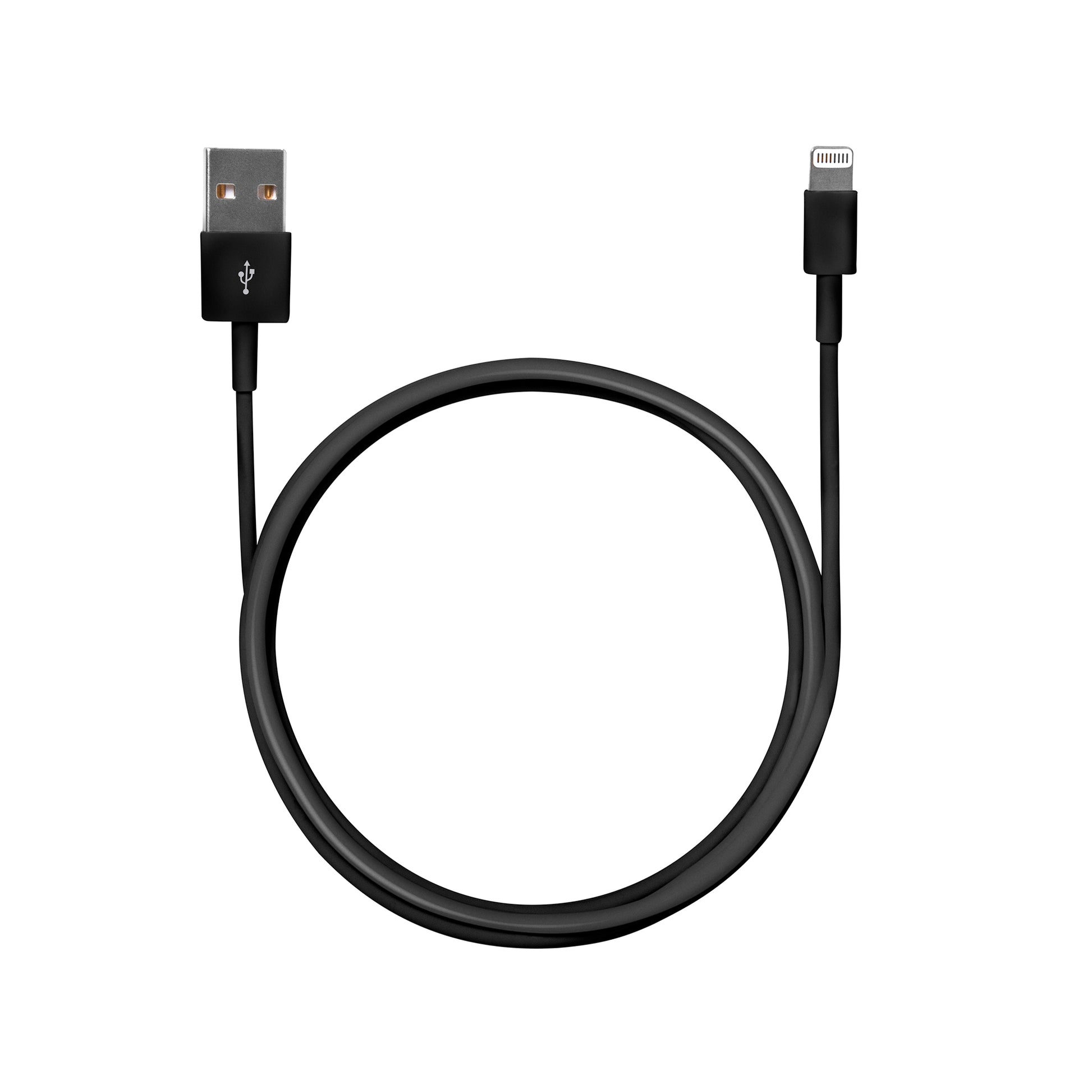
The Unsung Hero: Why Your Lightning Cable Is Crucial for Device Performance
The lightning cable is often overlooked, yet it plays a crucial role in the overall performance of your devices. Acting as the lifeline between your charger and your device, it's essential for transferring power and data efficiently. A high-quality lightning cable ensures faster charging times and stable data transfer rates, preventing frustrating interruptions when you're syncing your files or streaming your favorite content. By choosing a reliable cable, you're not just investing in a piece of technology; you're enhancing the very performance of your devices.
However, not all lightning cables are created equal. Consider the following factors when selecting one:
- Durability: Look for cables that are reinforced and designed to withstand wear and tear.
- Compatibility: Ensure that the cable is genuine or certified to avoid connection issues.
- Charging Speed: Check the specifications to find a cable that supports fast charging protocols.
By paying attention to these details, you'll appreciate how vital your lightning cable is, transforming it from an unnoticed accessory to an integral part of optimizing your device's capabilities.
Counter-Strike is a popular multiplayer first-person shooter game that has captivated players since its release. The game pits teams of terrorists against counter-terrorists in various objective-based scenarios. For tech enthusiasts, you might want to check out the Top 10 fast chargers for iphone to keep your devices powered during those intense gaming sessions.
Can a Lightning Cable Affect Your Streaming Quality More Than Wi-Fi?
When considering the quality of your streaming experience, lightning cables might play a surprisingly significant role compared to Wi-Fi connections. While most users rely on wireless internet for streaming, a direct connection using a lightning cable can provide a more stable and high-speed transfer of data. This is particularly important for streaming high-definition content or when playing resource-intensive games, where lag and buffering can severely impact enjoyment. A lightning cable minimizes interference and offers consistent connectivity, thus enhancing visual and audio quality for an uninterrupted experience.
On the other hand, Wi-Fi can sometimes introduce variability in streaming quality due to fluctuating bandwidth, competing networks, or geographic obstacles. Wireless streaming relies heavily on the signal strength and router placement, which can lead to inconsistent experiences. By using a lightning cable, you can alleviate many of these issues, ensuring that you're getting the best possible bandwidth straight to your device. Ultimately, while Wi-Fi provides the convenience of mobility, a lightning cable can indeed affect your streaming quality more profoundly by offering reliability and speed.
Lightning Cable vs. Wi-Fi: Which Is the Real Backbone of Your Tech Setup?
In today's tech-driven world, Lightning cables and Wi-Fi serve as essential components of our digital infrastructure. The Lightning cable, developed by Apple, provides a fast and reliable way to charge devices and transfer data. For example, when you plug your iPhone into a charger, the Lightning cable enables quick charging and efficient file synchronization. On the other hand, Wi-Fi has revolutionized how we connect to the internet, allowing for seamless browsing, streaming, and gaming without the constraints of physical cables. Both technologies have their own unique strengths and weaknesses, making them crucial for different aspects of our tech setups.
When considering which technology is the true backbone of your tech setup, one must weigh the Lightning cable's reliability against Wi-Fi's convenience. While a Lightning cable offers superior data transfer speeds and is less likely to suffer from interference, Wi-Fi provides the freedom of movement that enhances usability in a modern, connected environment. Ultimately, the choice between Lightning cables and Wi-Fi depends on your specific needs—whether you prioritize speed and reliability or flexibility and convenience in your daily tech interactions.