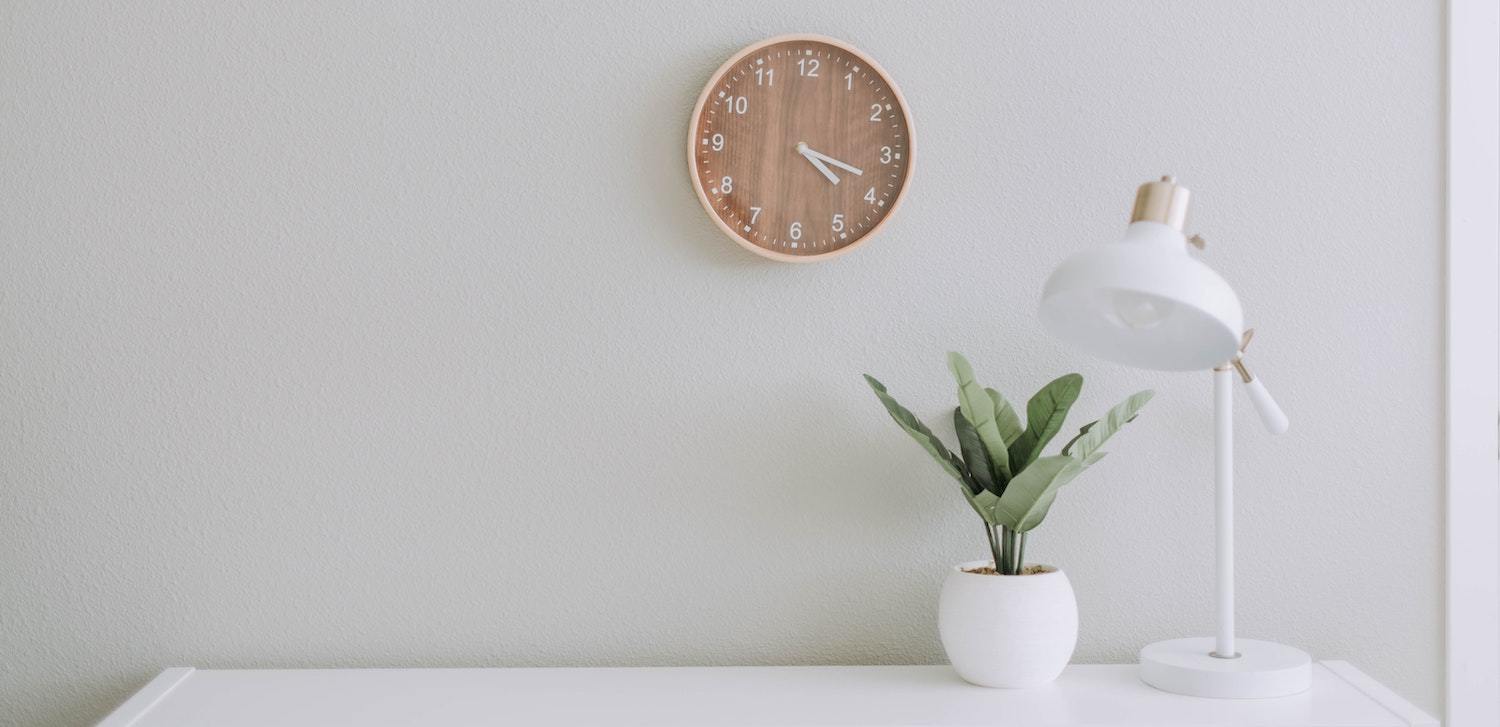
How Minimalism Can Transform Your Mental Health: The Benefits of Decluttering
Minimalism is not just about living with less; it's about creating a space and a mindset that promote mental clarity and emotional well-being. By intentionally decluttering both your physical and mental environments, you can reduce stress and anxiety. Studies show that a cluttered space can lead to feelings of overwhelm, making it difficult to focus and process thoughts. By embracing minimalism, you create a sanctuary where you can think clearly and prioritize what truly matters in your life.
The benefits of decluttering extend beyond just aesthetics; they touch on various aspects of mental health. To illustrate, consider these key points:
- Enhanced Focus: A minimalist environment allows you to concentrate better without the distractions of unnecessary items.
- Improved Mood: A clean and organized space can positively influence your mood, leading to increased feelings of happiness and contentment.
- Emotional Freedom: Letting go of physical possessions can also help you release emotional baggage, creating a sense of lightness and freedom.
Counter-Strike is a highly competitive first-person shooter video game series that pits teams of terrorists against counter-terrorists in various mission objectives. Players can choose from different characters, weapons, and strategies to outsmart their opponents. For those looking for practical gaming accessories, you might want to check out the Top 10 magsafe wallets that are perfect for keeping your essentials handy during gaming sessions.
The Environmental Impact of Embracing a Minimalist Lifestyle
Embracing a minimalist lifestyle not only transforms your personal space but also significantly reduces your carbon footprint. By prioritizing quality over quantity, minimalism encourages individuals to let go of excess possessions that often lead to waste. This reduction in consumption results in fewer resources extracted from our planet and, subsequently, less energy consumed in production processes. For instance, when you choose to buy only what you truly need, you indirectly contribute to the reduction of pollution and waste generated during manufacturing and transportation.
Moreover, a minimalist lifestyle promotes a greater appreciation for nature, which can lead to more sustainable choices. By focusing on fewer, high-quality items, individuals tend to invest in eco-friendly products that have a lower environmental impact. Making conscious consumption choices not only benefits the earth but also fosters a sense of fulfillment and connection with the environment. Additionally, adopting minimalism often encourages practices like recycling, upcycling, and supporting local businesses, ultimately creating a ripple effect that can inspire others to follow suit.
Is Less Really More? Exploring the Misconceptions about Minimalism
In recent years, the idea of minimalism has gained significant traction, fueling discussions about whether less is truly more. This concept, often misconstrued as merely decluttering one’s physical space, extends far beyond aesthetics. It challenges individuals to reconsider their priorities, shedding excess not only in possessions but also in commitments and mental clutter. However, the misconception that minimalism equates to deprivation often leads to a misunderstanding of its core principles. Rather than implying a lack of resources or experiences, minimalism seeks to create more meaningful engagement with what truly matters in our lives.
Moreover, the journey into minimalism is deeply personal and subjective; what feels minimal for one person may seem insufficient for another. This diversity in interpretation adds to the complexity of understanding whether less is more. Many assume that adopting a minimalist lifestyle means eliminating all forms of enjoyment or convenience, which is a myth that must be debunked. By embracing a minimalist approach, individuals can focus on intentional living, which often leads to greater satisfaction and richness in experiences while allowing space for personal growth, creativity, and peace of mind.