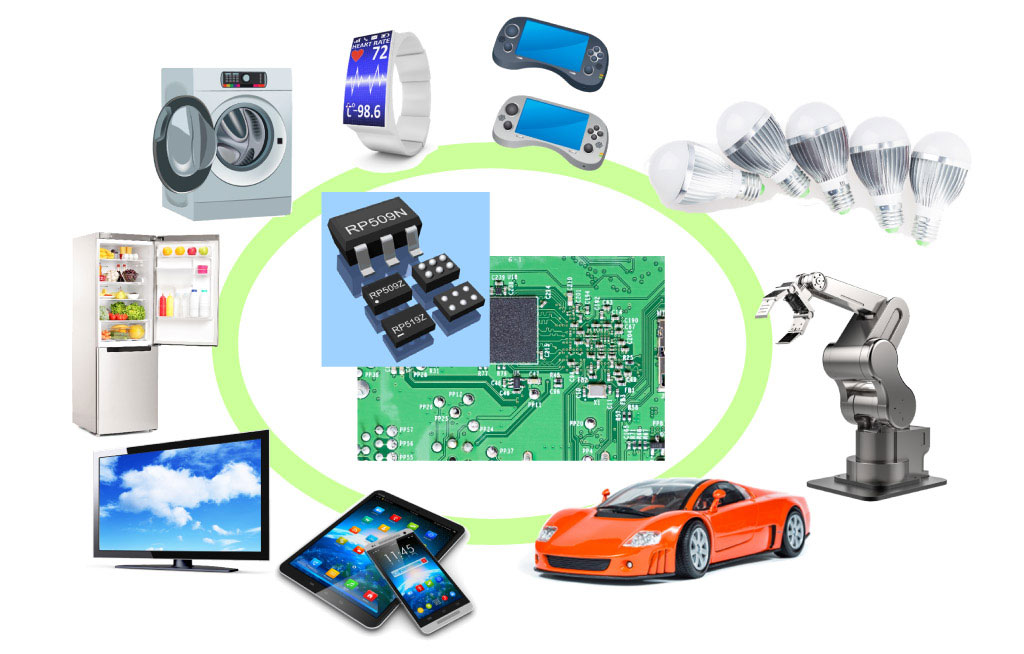
Understanding the Basics of Power Management: What You Need to Know
Power management is a crucial aspect of modern energy consumption, focusing on the efficient use of electrical power in devices and systems. It encompasses a variety of practices and technologies that help reduce energy waste, lower costs, and extend the lifespan of equipment. Understanding the basics of power management involves recognizing key components, such as power supply efficiency, load management, and energy monitoring. By implementing effective power management strategies, organizations can achieve significant improvements in both sustainability and operational efficiency.
One fundamental concept in power management is the idea of optimally balancing energy supply with demand. This can be achieved through various techniques, including demand response programs, energy storage solutions, and real-time energy monitoring systems. Additionally, adopting best practices, such as regularly scheduled maintenance and energy audits, helps identify opportunities for savings. By prioritizing power management, businesses not only reduce costs but also contribute to a greener future by minimizing their carbon footprint.
Counter Strike is a popular first-person shooter game that has captivated gamers worldwide since its release. Players can engage in thrilling team-based gameplay, where they take on the roles of either terrorists or counter-terrorists. For those looking to enhance their gaming experience, check out the Top 10 apple tv streaming accessories, which can provide additional features and convenience.
10 Strategies for Harnessing Energy Efficiency in Your Daily Life
In today’s fast-paced world, finding ways to enhance energy efficiency in your daily life is more important than ever. Here are 10 strategies that can help you reduce your energy consumption and lower your utility bills. First, consider using energy-efficient appliances, which are designed to use less energy compared to their traditional counterparts. Additionally, switching off lights and unplugging devices when they are not in use can significantly minimize energy waste. Another effective approach is to opt for natural light whenever possible; opening blinds and curtains during the day can illuminate your home without relying on electricity.
Furthermore, adjusting your thermostat can lead to remarkable energy savings. Setting it a few degrees lower in winter and higher in summer makes a huge difference over time. Moreover, incorporating energy-efficient practices in the kitchen, such as using a microwave instead of an oven or only running the dishwasher with a full load, can also reduce energy costs. Consider investing in smart home technology to monitor energy usage; smart thermostats and lights adjust automatically to optimize efficiency. Lastly, carpooling or utilizing public transportation not only conserves fuel but contributes to a greener environment. By implementing these strategies, you can take significant steps towards a more energy-efficient lifestyle.
Is Your Energy Running Low? Tips for Recharging and Staying Productive
Is your energy running low? You're not alone. Many of us experience a slump in productivity and motivation at various points throughout the day. Fortunately, there are effective strategies to help recharge your energy levels. First, consider taking short breaks every hour to step away from your work and refresh your mind. A quick 5-minute walk or simply stretching can work wonders. Additionally, hydrate yourself with plenty of water; dehydration can significantly impact your energy and focus.
Incorporating some physical activity into your routine can also help you stay productive. Engaging in regular exercise, whether it’s a brisk walk or a quick workout, can boost your energy levels and improve your mood. Mindfulness practices, such as meditation or deep breathing exercises, can help clear your mind and enhance your concentration. Remember, a nutritious diet plays a crucial role too—fuel your body with wholesome foods to maintain your energy throughout the day. Following these simple tips can make a big difference in how you feel and perform!