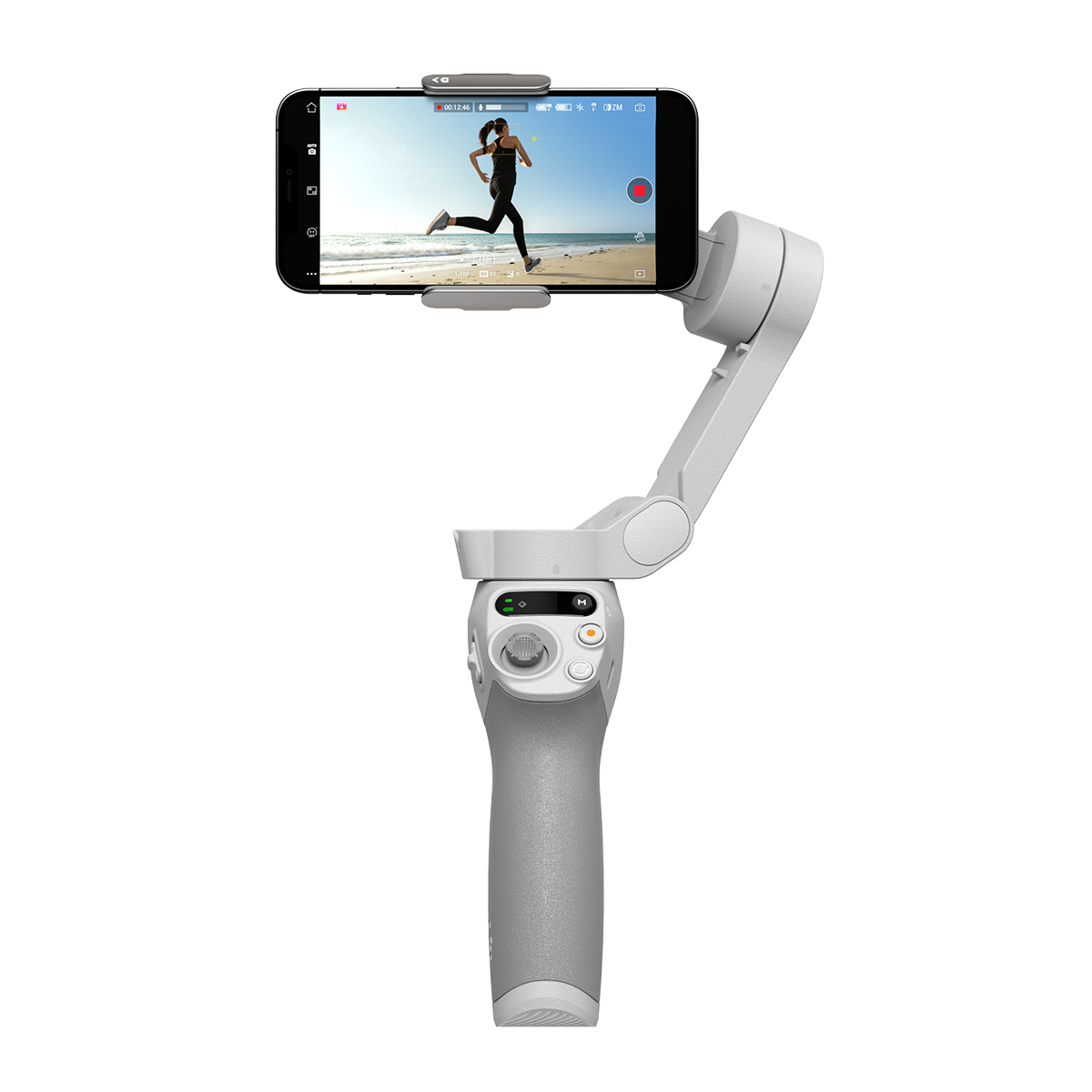
Mastering the Basics: A Beginner's Guide to Using a Gimbal
Using a gimbal can transform your videography, allowing for smooth, professional-looking footage even when you're on the move. If you're new to gimbals, it's important to understand the basics before you dive in. Start by familiarizing yourself with the different parts of a gimbal, such as the handle, motors, and camera mounting plate. Once you have a grasp of the equipment, practice balancing your camera on the gimbal. A well-balanced setup is crucial, as it reduces strain on the motors and ensures smooth operation. Check out user manuals or online tutorials that can guide you through this initial setup process.
Once your gimbal is properly balanced, it’s time to explore its various modes. Most gimbals offer modes like Pan Follow, Lock, and Follow, each designed for specific shooting scenarios. For beginners, the Pan Follow mode is particularly useful, allowing you to capture dynamic movements while maintaining a level horizon. Additionally, practice moving with the gimbal; smooth and deliberate movements will yield the best results. Remember, mastering these basics is essential for creating stunning, stable video content that engages your audience.
Counter-Strike is a highly popular multiplayer first-person shooter game that emphasizes team-based tactics and strategy. Players can choose to be part of either the terrorist or counter-terrorist team, each with specific objectives to complete. For gamers looking to enhance their mobile gaming experience, check out the Top 10 iphone gimbals for incredible stability and control while playing on the go.
Top 10 Tips for Smoother Shots: Elevate Your Filmmaking with Gimbals
When it comes to capturing stunning footage, achieving smooth shots can make all the difference in your filmmaking. One of the best tools at your disposal for this purpose is a gimbal. This device stabilizes your camera, allowing you to move freely without the unwanted shake that can detract from your footage quality. Here are top 10 tips to help you master the art of using gimbals effectively:
- Understand Your Gear: Familiarize yourself with your gimbal's features and settings. Each model has its own unique controls, and knowing how to navigate them can save you time and frustration on set.
- Balance is Key: Always ensure your camera is properly balanced on the gimbal. An unbalanced rig can lead to poor stabilization and increase the strain on your motor.
- Practice Different Moves: Experiment with various shooting techniques like pans, tilts, and tracking shots to see how your gimbal handles them. This practice helps you to develop smoother motions in real-time shooting scenarios.
- Use Proper Posture: Stay relaxed and loose while operating the gimbal. Maintaining a good stance can help produce steadier shots.
- Adjust Gimbal Settings: Don’t hesitate to tweak the sensitivity and speed settings of your gimbal based on your shooting style for better control.
- Plan Your Shots: Create a shot list and rehearse movements beforehand. Knowing your framing and transitions can lead to more deliberate and smooth footage.
- Incorporate Walking Techniques: Use smooth walking techniques or gliding motions to enhance the fluidity of your shots. Remember, it’s not just about the equipment; your movement matters too!
- Film in the Right Environment: Choose locations that allow free movement, avoiding cramped spaces which may hinder your gimbal's effectiveness.
- Utilize Additional Accessories: Consider using accessories, like a dual handle for added support. This can provide extra stability and control when shooting.
- Review and Revise: After shooting, review your footage to identify any issues with stabilization. Learning from each shoot will help you improve your skills over time.
How to Choose the Right Gimbal for Your Camera: A Comprehensive Comparison
Choosing the right gimbal for your camera can significantly enhance your shooting experience and improve the quality of your videos. With an array of options available on the market, it’s crucial to consider several factors before making a decision. Weight capacity is essential; ensure that the gimbal can support the weight of your camera and any additional gear. Additionally, consider the stabilization technology used in the gimbal, as this aspect directly affects your footage's clarity and smoothness. Look for gimbals that feature a 3-axis stabilization system for optimal performance in dynamic shooting environments.
Another vital aspect to consider is the control interface of the gimbal. A user-friendly design with intuitive controls can greatly enhance your filming experience, making it easier to adjust settings on-the-fly. Comparing features such as battery life, compatibility with your camera model, and even additional functionalities like follow modes and smartphone integration can also assist in making your decision. To make the best choice, read reviews, watch comparison videos, and weigh the pros and cons of top models. Ultimately, selecting the right gimbal not only aids in capturing stunning visuals but also elevates your overall filming creativity.